The Tool and the Soul

Artificial Intelligence and the Moral Life
Every generation inherits its own powerful tools.
The plow changed agriculture.
The printing press changed memory.
The factory changed labor.
The internet changed attention.
Artificial Intelligence may change something even more intimate:
Judgment itself.
Not because machines can truly think, but because human beings are increasingly tempted to let them think for us.
That is what makes this moment morally significant.
The question is no longer simply whether a tool works. The question is what the tool is quietly doing to the people using it.
Technology has always promised some form of liberation. More speed. More efficiency. Less friction. And there is genuine good in many of those things. Few people would willingly surrender modern medicine, refrigeration, or the ability to communicate instantly across great distances.
But every tool, no matter how useful, forms the habits of the people who use it.
Some tools strengthen attentiveness. Others weaken it. Some deepen responsibility. Others encourage its transfer elsewhere.
Artificial Intelligence introduces a temptation unlike the ones before it—not merely to outsource labor, but to outsource discernment.
That temptation is subtle.
A system drafts the email faster than we can.
A model summarizes the meeting we no longer have to think through ourselves.
An algorithm recommends the next decision before we have fully wrestled with the last one.
At first, these conveniences feel harmless. Helpful, even. And often they are.
But over time, something deeper can begin to shift.
The leader who once reflected carefully begins reacting quickly.
The writer who once struggled honestly with language begins accepting polished approximations.
The organization that once relied upon judgment slowly begins relying upon systems.
Not because anyone consciously intended it.
But because efficiency has a way of presenting itself as wisdom.
And it is not.
Wisdom requires more than information. It requires moral presence. Attention. Restraint. The willingness to remain accountable for decisions instead of merely optimizing them.
A machine can produce an answer.
It cannot bear responsibility for one.
That distinction matters more than we realize.
Artificial Intelligence will undoubtedly become part of modern business, education, medicine, and daily life. The question now is not whether it will be used, but how.
Used rightly, it may help relieve people from repetitive tasks, reduce unnecessary burdens, and free human beings to focus on higher forms of work: creativity, care, judgment, and leadership.
Used carelessly, it may slowly erode the very qualities that make those things human in the first place.
The danger is probably not dramatic catastrophe. More likely, it is quiet displacement.
A gradual surrender of attentiveness.
A diminished capacity for deep thought.
A world increasingly filled with generated language but starved for genuine reflection.
In that sense, the moral challenge of Artificial Intelligence is not primarily technical.
It is spiritual.
Will these tools help us become more responsible, more truthful, more attentive to one another?
Or will they merely help us move faster while forgetting what we were meant to become?
That is not a question engineers alone can answer.
It belongs to parents. Teachers. Pastors. Writers. Business leaders. Communities.
To all of us.
Because every society eventually becomes shaped not only by the tools it creates, but by the habits those tools encourage.
There is an old temptation woven throughout human history: the desire to build systems strong enough to overcome the limits of our humanity. Towers high enough to reach certainty. Mechanisms powerful enough to free us from dependence, weakness, or humility.
But wisdom has always required something different.
Not the rejection of tools, but the right ordering of them.
A hammer remains a servant until it becomes an identity.
A system remains useful until it replaces judgment.
A machine remains a tool until human beings begin surrendering responsibility to it.
That line matters.
And perhaps that is the real work before us now—not simply learning how to build intelligent systems, but learning how to remain fully human while using them.
A tool may help us move faster.
It cannot help us love better.
And in the end, the deepest responsibilities of human life—truth, conscience, mercy, responsibility, love—remain where they have always belonged:
Not in machines.
But in the soul.
About the Author
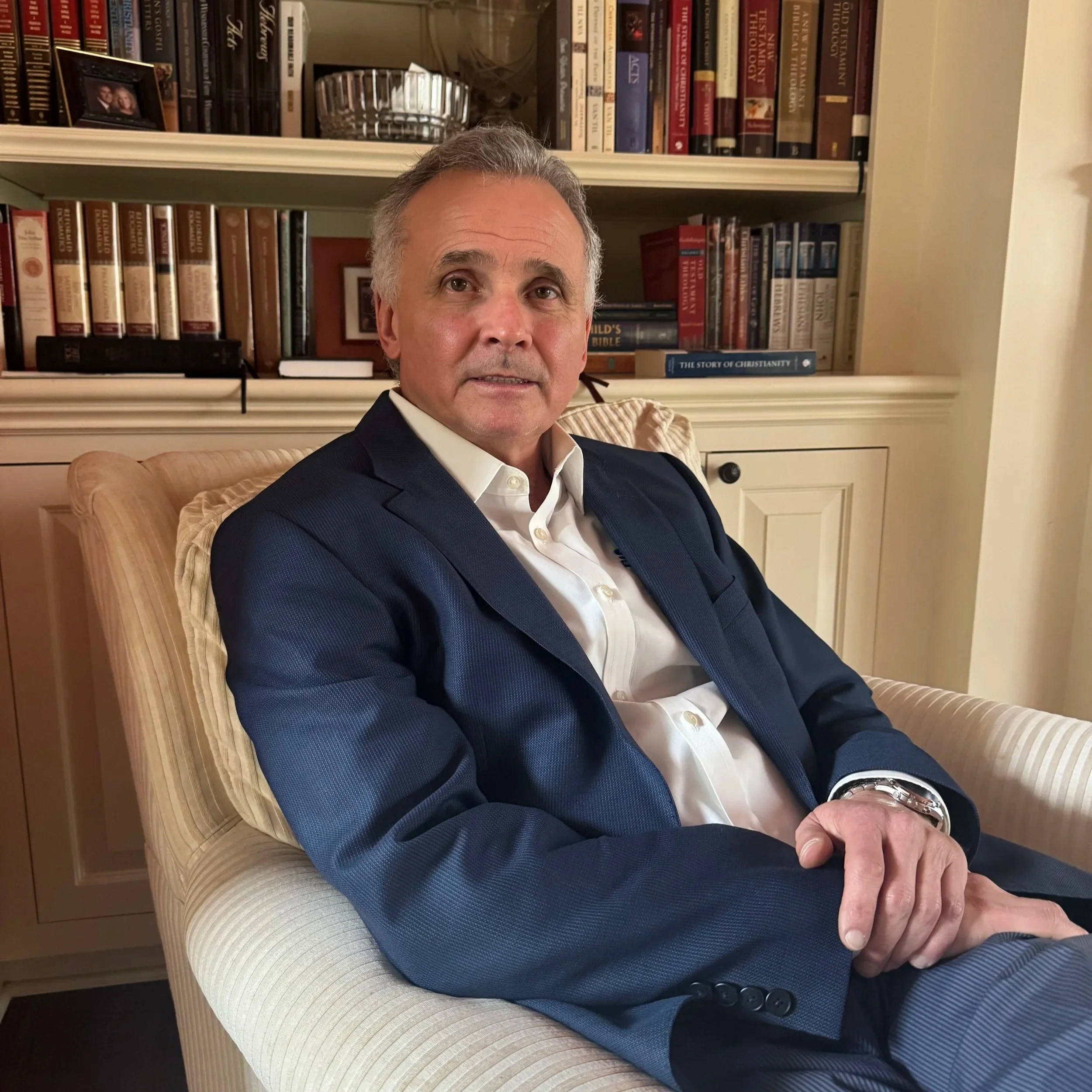
Gregg A. Stewart is the author of Unreasonable Doubt: When the Call of Duty Becomes a Test of Faith, a reflective courtroom memoir exploring conscience, moral responsibility, and the relationship between doubt and faith. A business executive and longtime student of literature and theology, Stewart writes at the intersection of faith, ethics and lived experience. His work is grounded in the conviction that doubt does not disqualify faith but can refine it. Through personal narrative and thoughtful reflection, he invites readers to wrestle with questions of justice, authority, and trust in God.
Gregg lives in Ohio with his wife and daughters. In addition to his writing, he serves in executive leadership within the construction industry and is committed to mentoring the next generation in both business and faith. He writes for readers who believe, readers who question, and readers who are learning to do both.
More Articles