“The human soul is real, fragile, and formed not only by what we believe, but by the stories we inhabit.”
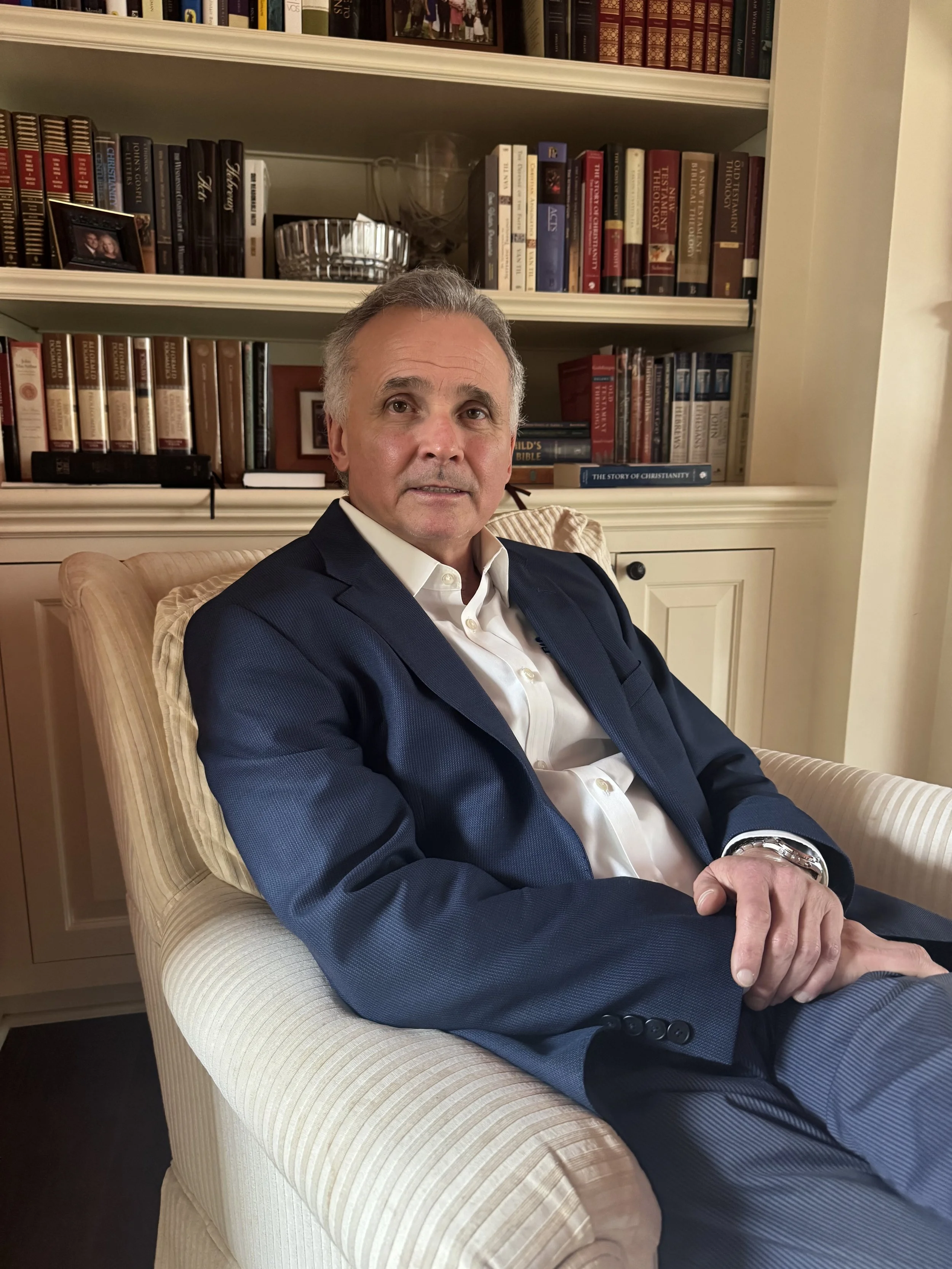

Author’s Note: On Literature, Faith, and the Care of the Soul
The Stewart House was founded on a conviction that predates ideology and outlasts it: that the human soul is real, fragile, and formed not only by what we believe, but by the stories we inhabit.
Christian faith shapes everything I write. Yet Christianity itself comes to us not first as abstraction, but as literature—law, poetry, narrative, prophecy, gospel, and letter. At its center stands not an idea, but a Person: the Word made flesh, who enters history and language alike. Without the written Word, Christ would be endlessly misinterpreted; without memory disciplined by text, even the most transcendent experience fades, distorts, or is rationalized away.
Scripture understands this. When Peter reflects on the glory of the Transfiguration, he tells his readers that they possess something more certain than even that moment—the prophetic word made firm (Second Epistle of Peter chapter 1). Experience dazzles; literature endures.
The books published under The Stewart House explore this enduring terrain: how souls are formed, forgotten, endangered, and—by grace—remembered. They draw from the great moral witnesses of history and literature not to replace faith, but to discipline it; not to explain suffering away, but to refuse lies about it.
Ideologies promise clarity, urgency, and moral certainty. Literature moves more slowly. It preserves complexity, honors limits, and resists the temptation to make human beings expendable for a cause. For this reason, literature has often served as a better guardian of the soul than ideology—especially in ages when ideology demands total allegiance.
These works are offered in that spirit: attentive to faith, alert to history, and grounded in the belief that obedience, humility, and truth remain possible—even when the world builds higher towers.
The Pillars
Faith
Faith is not certainty without questions.
It is fidelity in the presence of them.
At The Stewart House, faith is understood not as an escape from doubt but as a way of inhabiting it honestly. Christianity does not begin with abstraction, but with a Person — the Word made flesh. Before doctrine was systematized, it was narrated. Before it was defended, it was lived.
Faith, then, is not performance. It is trust — often quiet, often costly, sometimes trembling — that reality is upheld by more than what we can see.
The books and essays published here explore faith as formation: how Scripture shapes memory, how suffering refines love, how conscience resists convenience, and how grace redeems what we cannot repair ourselves.
Doubt does not disqualify belief. It deepens it when faced truthfully.
Faith is not the absence of collision; it is the hope of ultimate reconciliation.
Family
The soul is formed first in small rooms.
Family is where memory is born — around tables, in ordinary conversations, through discipline and forgiveness, in presence and absence alike. Long before we choose what we believe, we learn how to love.
We may receive the language of faith from our families, but we cannot inherit conviction. Each soul must discover it, wrestle with it, and live it honestly before God.
To love one’s family, then, is not to control belief, but to model integrity. It is to create an atmosphere where questions are permitted, where doubt is not shamed, and where truth is pursued without fear.
We inherit more than genetics. We inherit stories, wounds, loyalties, and longings. To live wisely is to examine what we have received and steward it faithfully for those who come after us.
A home is more than architecture. It is a moral ecology.
The aim is not perfection, but faithfulness — creating space where strength and tenderness coexist, and where belonging is not withdrawn when someone struggles.
A Moral Life
A moral life is not merely rule-keeping.
It is ordered love.
The moral life is the cultivation of the soul — the quiet ordering of love so that freedom does not become self-destruction. It is the steady shaping of desire, the disciplining of impulse, and the alignment of the will with what is good, true, and beautiful.
Modern culture often reduces morality to private preference or public outrage. But historically understood, morality is about formation. It asks not only What is permitted? but Who am I becoming?
Conscience is not a social construct; it is an interior witness. When neglected, it dulls. When honored, it clarifies. The soul does not drift toward virtue by accident. It is formed by habits, by attention, by the stories we believe and the practices we repeat.
Integrity is rarely forged in dramatic moments. It is shaped quietly — in decisions no one applauds, in restraint no one notices, in truth told when convenience would be easier.
At The Stewart House, moral reflection does not aim at self-righteousness but at humility. To examine one’s life honestly is not to condemn it, but to refine it.
The goal is not to win arguments.
It is to become the kind of person who can be trusted with freedom.
The soul is not a mystical abstraction. It is the interior place where truth and responsibility meet. Where excuses fall away. Where motives are weighed. When we neglect the soul, justice becomes mechanical. When we ignore conscience, we risk becoming efficient but not righteous. The law protects order. The soul protects meaning.
And without meaning, even order becomes fragile. a sit amet nibh commodo, sed congue ex posuere.