Stewards of the Republic: Reflections on Faith, Responsibility, and the American Experiment at 250
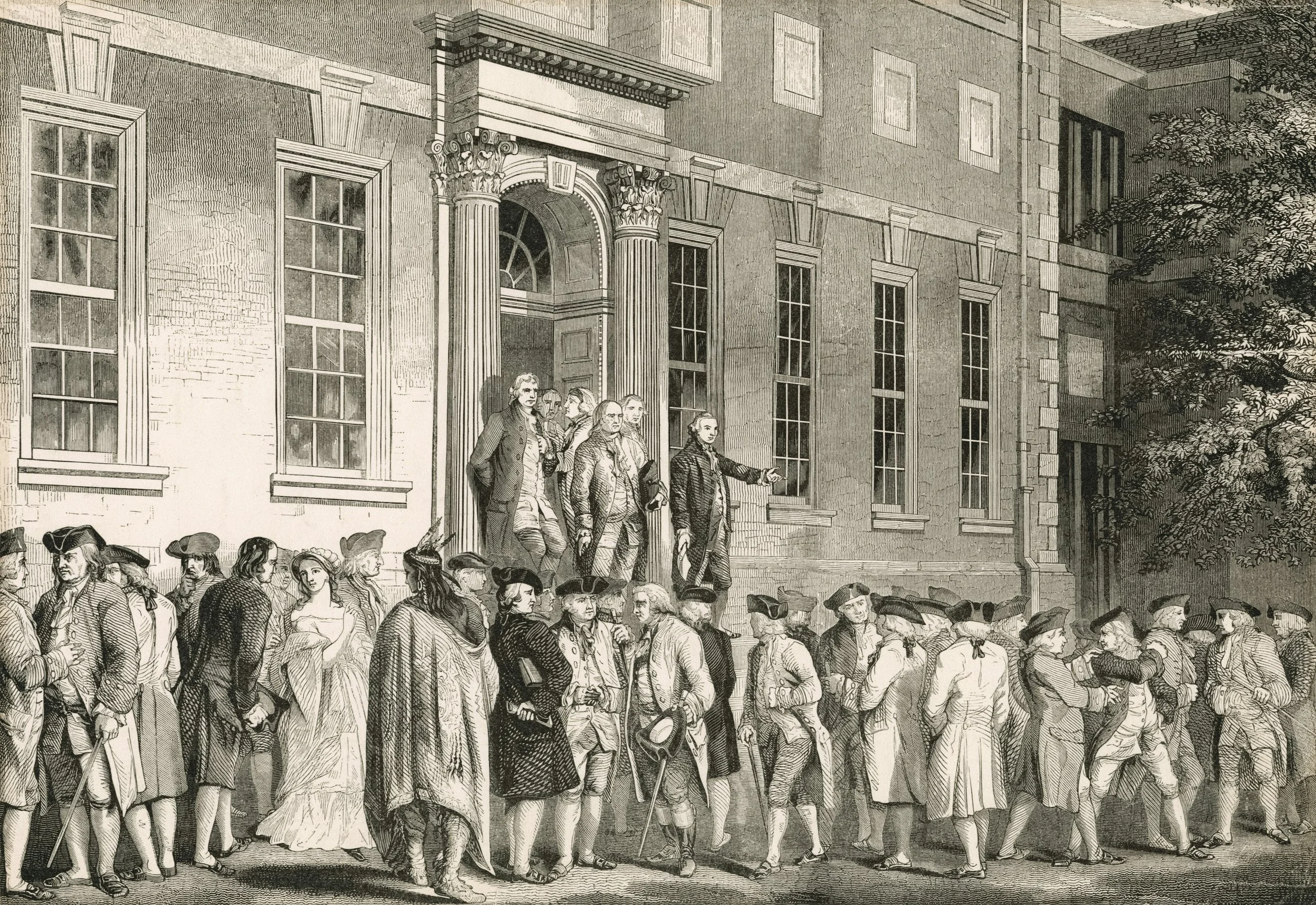
Source: The New York Public Library
As we approach the 250th anniversary of the Declaration of Independence in 2026, the question Benjamin Franklin famously left us with feels more urgent than ever:
“A republic, if you can keep it.”
For the past several years I have been reflecting deeply on what it means to “keep” this republic—not as owners, but as stewards. The result is my forthcoming book, Stewards of the Republic: Reclaiming Civic Responsibility in an Age of Abdication.
The book begins with a diagnosis: a quiet surrender has taken place. Millions of capable, hardworking Americans have gradually abdicated their share of responsibility for the public square, handing it over to politicians, bureaucrats, and distant institutions. In that vacuum, organized interests armed with tactics of relentless pressure, personalization, and polarization have gained disproportionate influence. This is not primarily a partisan problem; it is a stewardship problem.
Drawing on Alexis de Tocqueville’s observations in Democracy in America, I explore how the genius of our republic has always been the “art of association”—the voluntary coming together of citizens in churches, families, civic groups, and local initiatives. These associations dispersed power, formed character, solved problems close to home, and served as schools of self-government. Their decline has left us more isolated, more dependent on the state, and more vulnerable to the very power tactics that thrive on public passivity.
At the heart of the book is a return to the biblical call to stewardship. We are not owners of our lives, our families, our institutions, or our nation. We are managers of what belongs to God. This truth calls us to order our loves—God first, then family, then faithful engagement in the public square—and to act obediently even when the path is dark (Isaiah 50:10).
The book offers practical guidance for renewal:
• Rebuilding voluntary associations that bridge divides and form character.
• Personal and family practices that model responsibility for the next generation.
• Leadership in institutions (businesses, churches, schools) that prioritizes character over raw power.
• Cultural and political engagement that is principled, local-first, and hopeful rather than reactive.
Throughout, I draw on lessons from my own journey as an Integrator at Speer Mechanical—transforming an unprofitable division into a best-in-class operation through faithful execution, people development, and succession planning. These same principles scale to civic life.
As we mark 250 years since the founding, Stewards of the Republic is an invitation to move from abdication to active, joyful responsibility. Not as culture warriors seeking dominance, but as stewards seeking the common good, loving our neighbors, and entrusting the ultimate outcome to the One who holds history.
The republic, if we can keep it, will be kept not by perfect tactics but by faithful people living as responsible stewards in every sphere God has placed them. May this anniversary stir us to that higher calling.
About the Author
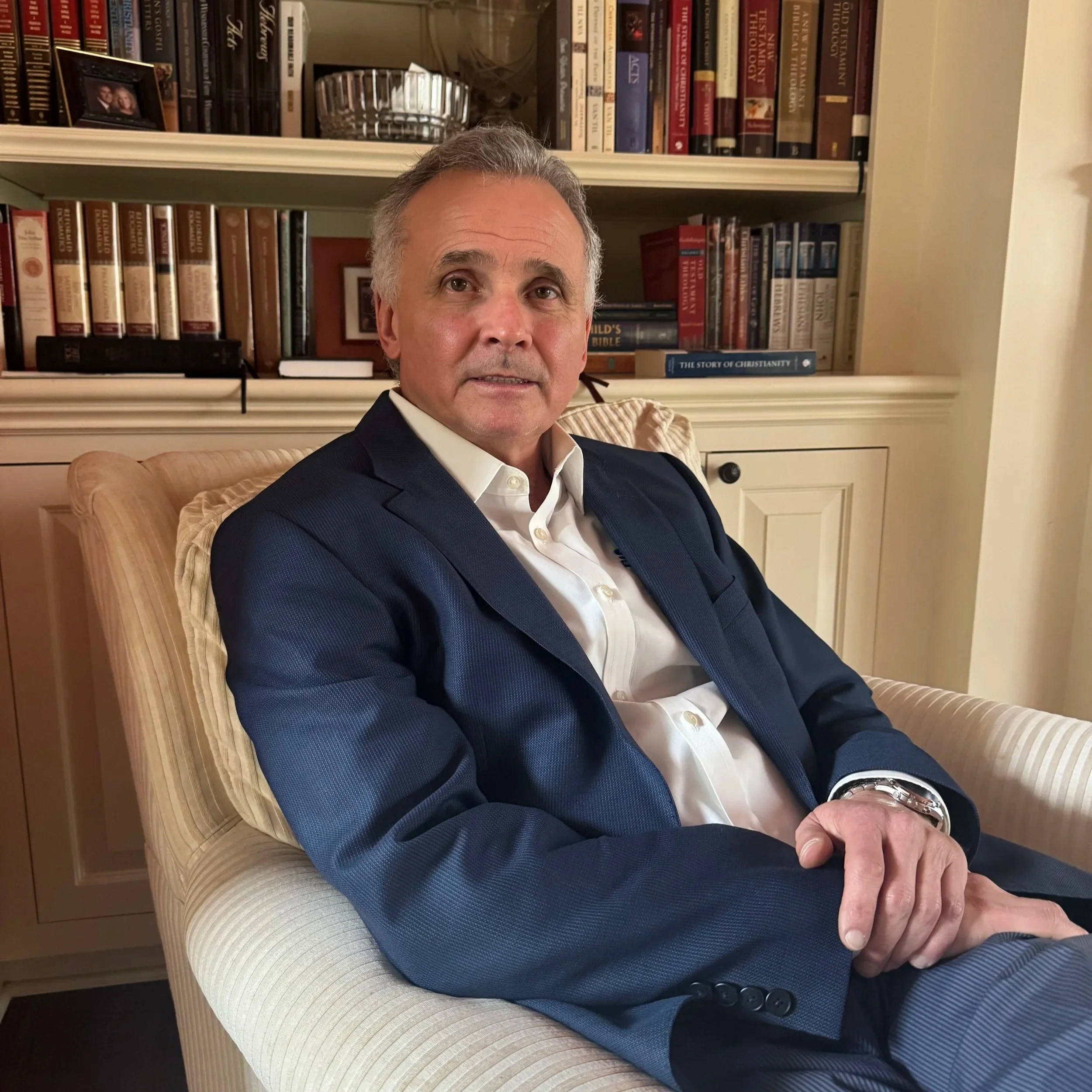
Gregg A. Stewart is the author of Unreasonable Doubt: When the Call of Duty Becomes a Test of Faith, a reflective courtroom memoir exploring conscience, moral responsibility, and the relationship between doubt and faith. A business executive and longtime student of literature and theology, Stewart writes at the intersection of faith, ethics and lived experience. His work is grounded in the conviction that doubt does not disqualify faith but can refine it. Through personal narrative and thoughtful reflection, he invites readers to wrestle with questions of justice, authority, and trust in God.
Gregg lives in Ohio with his wife and daughters. In addition to his writing, he serves in executive leadership within the construction industry and is committed to mentoring the next generation in both business and faith. He writes for readers who believe, readers who question, and readers who are learning to do both.
More Articles