Between Two Stories
Source: Europeana Library
Between Two Stories
Every human life is lived between two stories: the story we tell ourselves and the story that is true.
Every joy, every sorrow, every failure, and every act of redemption unfolds in the space between them.
We spend much of our lives constructing the first story.
We tell ourselves who we are. What will make us happy. What we deserve. What we fear. What we must accomplish. What we must control.
And because we live inside that story every day, we rarely stop to ask whether it is true.
Yet there is a simple reality that humbles every attempt at self-authorship:
We awaken inside a story already in progress.
We did not choose to exist.
We did not choose our parents, our century, our gifts, or many of the circumstances that would shape us.
Before we ever achieved anything, life was given to us.
We begin not as authors, but as recipients.
Perhaps our deepest problem begins when we forget this.
Every false story begins with forgetting.
Adam forgot he was a creature and reached to become like God.
Israel forgot the One who had brought them out of Egypt.
Peter forgot, for a moment, the One who had called him onto the water.
The prodigal forgot his father’s house.
And every return begins with remembrance.
“I will arise and go to my father.”
The prodigal did not create a new identity. He remembered an old relationship. Before he could return home, he had to remember that there was a home.
Perhaps that is why Scripture calls us to remember so often.
Remember the Lord your God.
Remember His faithfulness.
Remember His promises.
And at the Lord’s Table:
“Do this in remembrance of Me.”
Not because Christ forgets us.
Because we are so prone to forget Him.
The Christian life is not primarily the exhausting work of becoming someone else. It is the gracious work of remembering who God is and, in His light, remembering who we truly are.
We are creatures before we are achievers.
Recipients before we are authors.
Beloved before we have anything to prove.
The grass withers. The flower fades. Our experiences become memories, and our memories become stories.
But the Word of our God stands forever.
Perhaps the question is not whether we are living inside a story.
We all are.
The question is:
Is the story I am telling myself true?
Autonomy is the author of every false story we tell ourselves.
Grace is the invitation into the story that is true.
Drop files to upload
Enter your message here
About the Author
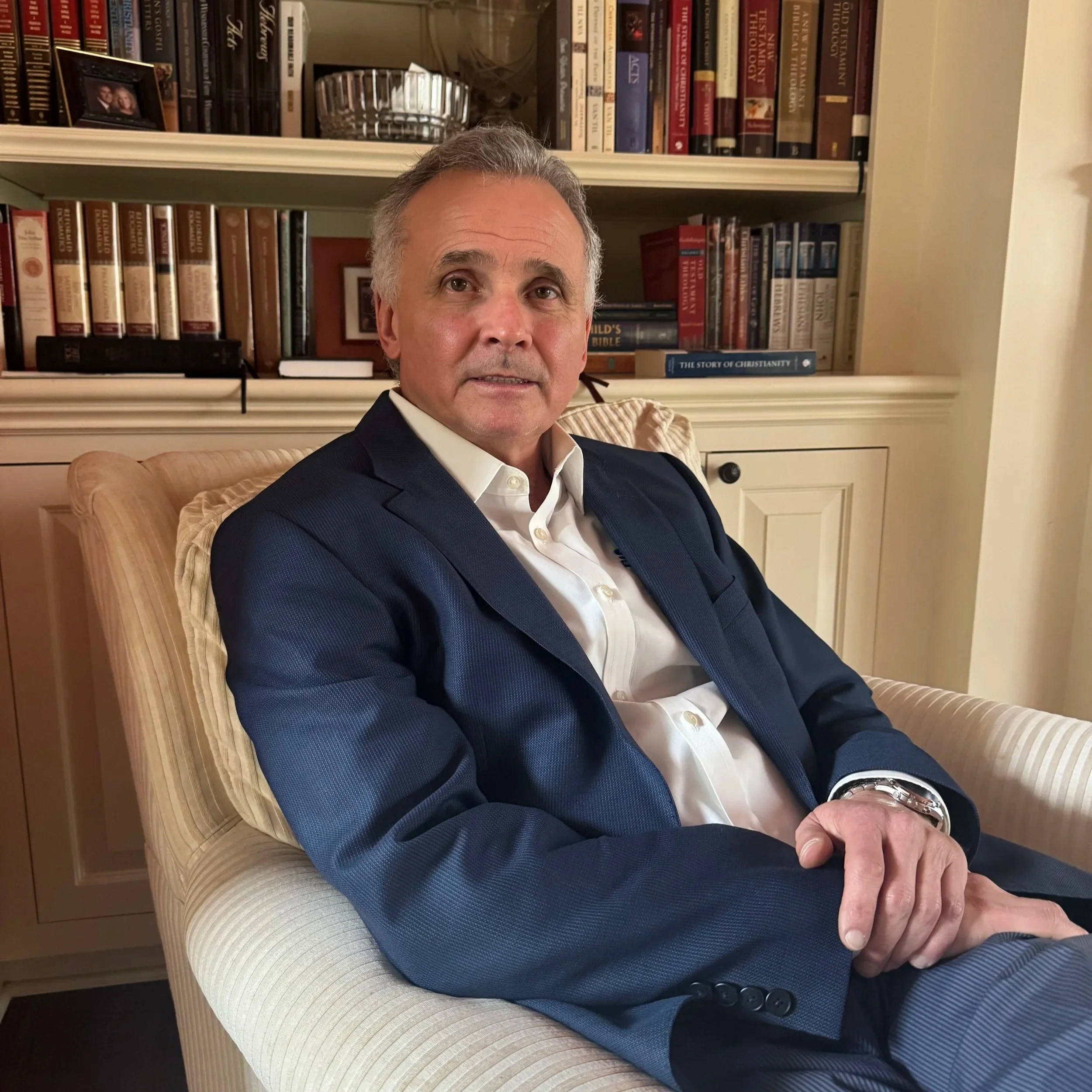
Gregg A. Stewart is the author of Unreasonable Doubt: When the Call of Duty Becomes a Test of Faith, a reflective courtroom memoir exploring conscience, moral responsibility, and the relationship between doubt and faith. A business executive and longtime student of literature and theology, Stewart writes at the intersection of faith, ethics and lived experience. His work is grounded in the conviction that doubt does not disqualify faith but can refine it. Through personal narrative and thoughtful reflection, he invites readers to wrestle with questions of justice, authority, and trust in God.
Gregg lives in Ohio with his wife and daughters. In addition to his writing, he serves in executive leadership within the construction industry and is committed to mentoring the next generation in both business and faith. He writes for readers who believe, readers who question, and readers who are learning to do both.
More Articles