The Eclipse
On April 8, 2024, a solar eclipse passed over Ohio.
In the days leading up to it, I paid little attention. As an executive responsible for operations, my concern was traffic, scheduling, and productivity. We had been warned that thousands of visitors would be coming to the area, and I spent more time thinking about workflow than astronomy.
My wife, on the other hand, invited friends over. The children had eclipse glasses. Chairs appeared in the driveway. Neighbors gathered.
I expected little more than an interesting interruption to the day.
I was wrong.
As the moon crossed the sun, something changed.
The temperature dropped. Birds grew quiet. Crickets began to chirp. My dog seemed confused. The familiar world suddenly felt unfamiliar. It was not merely something to see; it was something to experience.
Later that day, I spoke with my business partner, who was vacationing in Florida.
“How was it?” he asked.
I tried to describe what had happened.
The darkness.
The stillness.
The strange behavior of animals.
The feeling that the world itself had paused for a moment.
After listening for a while, he said, “That’s interesting. None of that happened here.”
Of course it hadn’t.
He was hundreds of miles away.
What struck me afterward was not our different experiences but the trust between us. He knew I was not exaggerating. I knew he was not dismissing what I had witnessed. We simply occupied different vantage points.
Neither of us was wrong.
Yet neither of us could fully experience what the other had experienced.
The older I become, the more I suspect that much of life is like that.
We speak of understanding one another, but how completely do we ever succeed?
Can a parent fully understand a child?
Can a husband fully understand a wife?
Can a friend completely enter another friend’s fears, hopes, disappointments, and memories?
We spend our lives attempting to cross distances that can never be entirely removed.
This realization has made me more aware of the gifts I inherited without earning them.
I was raised by a mother who taught me to look for God’s hand in ordinary events. She taught me that gratitude was more useful than resentment, that mercy mattered, and that life possessed meaning beyond what could be measured.
Not everyone receives such gifts.
When people see the world differently than I do, I am increasingly reluctant to assume that the difference is caused by stubbornness, ignorance, or bad intentions. Sometimes it is simply perspective.
We may be standing under the same sky while experiencing different realities.
Faith has not eliminated this mystery for me.
If anything, it has deepened it.
The Christian claim is not that we suddenly gain perfect understanding of one another. Rather, we are invited to love one another despite our incomplete understanding.
Grace teaches humility.
Truth reminds us that reality exists beyond our perspective.
Light allows us to see a little farther than we could on our own.
Perhaps one of the moral obligations of a human life is learning to listen carefully enough to believe another person’s account of the darkness—or the light—that we ourselves have never witnessed.
About the Author
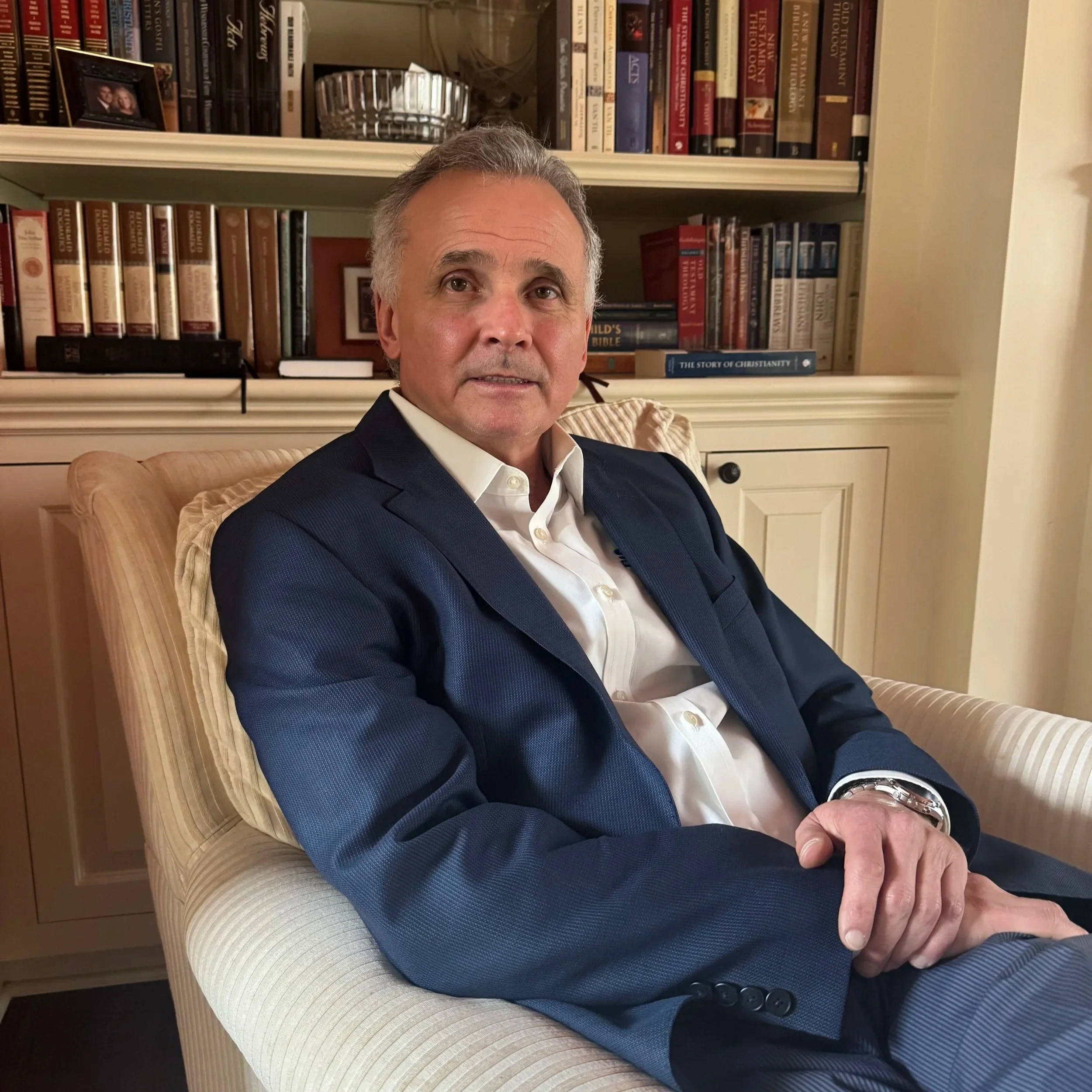
Gregg A. Stewart is the author of Unreasonable Doubt: When the Call of Duty Becomes a Test of Faith, a reflective courtroom memoir exploring conscience, moral responsibility, and the relationship between doubt and faith. A business executive and longtime student of literature and theology, Stewart writes at the intersection of faith, ethics and lived experience. His work is grounded in the conviction that doubt does not disqualify faith but can refine it. Through personal narrative and thoughtful reflection, he invites readers to wrestle with questions of justice, authority, and trust in God.
Gregg lives in Ohio with his wife and daughters. In addition to his writing, he serves in executive leadership within the construction industry and is committed to mentoring the next generation in both business and faith. He writes for readers who believe, readers who question, and readers who are learning to do both.
More Articles